Concrete is a durable and long-lasting flooring option commonly used in industrial facilities, warehouses, and manufacturing plants. However, exposure to acidic substances can significantly weaken concrete over time, leading to costly repairs and potential safety hazards. Understanding how acid damages concrete and implementing protective measures can help extend the lifespan of your flooring and maintain a safe, efficient workspace.
How Acid Erodes Concrete
Concrete is naturally alkaline, with a high pH level that makes it resistant to many substances. However, when acids come into contact with concrete surfaces, they trigger a chemical reaction that breaks down calcium hydroxide—a key binding component in concrete. This reaction leads to:
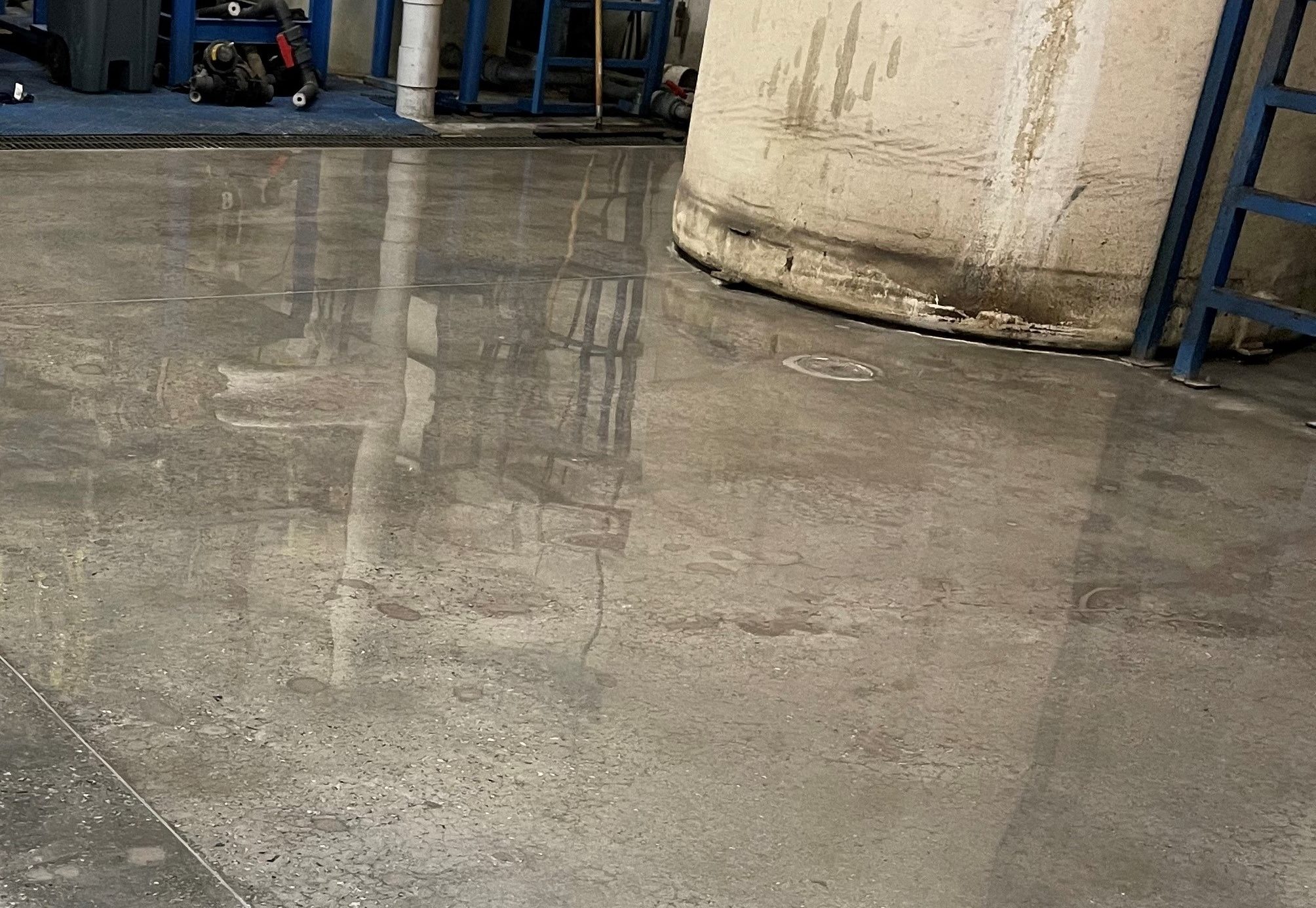
- Surface etching – Acids dissolve the top layer of concrete, making it rough and porous.
- Loss of structural integrity – Prolonged exposure weakens the concrete, causing cracks, pits, and erosion.
- Increased porosity – Acid-damaged concrete absorbs more moisture and chemicals, accelerating deterioration.
- Compromised safety – A weakened concrete surface can create trip hazards and increase the risk of chemical spills.
Common Sources of Acid Damage in Industrial Facilities
Many industries use acidic substances as part of their daily operations, making concrete floors vulnerable to deterioration. Common sources of acid exposure include:
- Chemical spills – Industrial cleaning agents, solvents, and acidic byproducts from manufacturing can damage concrete over time.
- Battery acid leaks – Warehouses and distribution centers using forklifts or battery-powered equipment are at high risk of sulfuric acid leaks.
- Food and beverage processing – Organic acids from dairy, citrus, and vinegar-based products can break down concrete surfaces.
- Environmental factors – Acid rain and other airborne pollutants contribute to gradual concrete erosion in outdoor and semi-covered facilities.
How to Protect Concrete Flooring from Acid Damage
Preventing acid damage requires a proactive approach, combining protective coatings, regular maintenance, and proper cleaning techniques. Here’s how to safeguard your industrial concrete flooring:
1. Apply Protective Coatings & Sealants
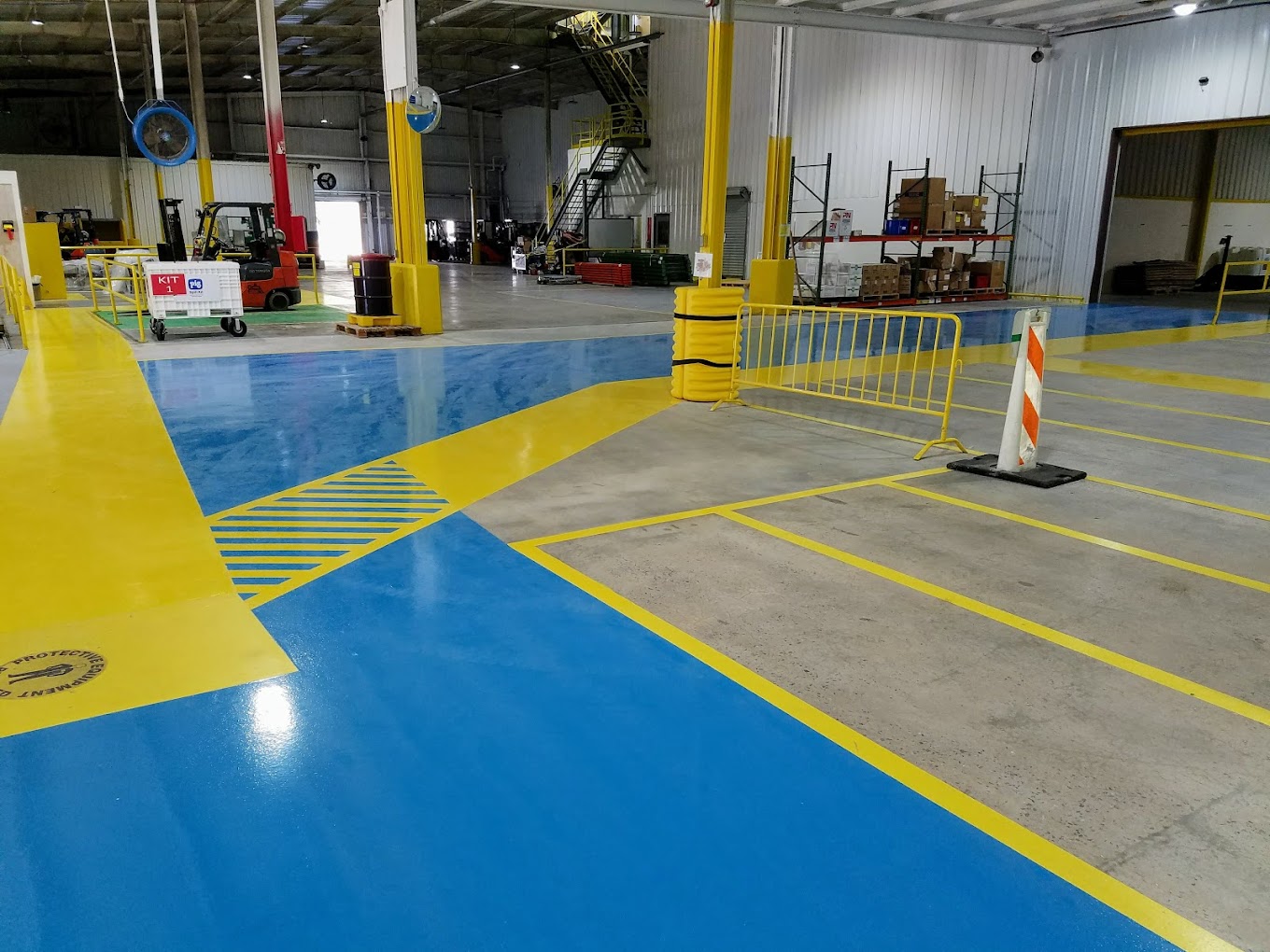
Industrial-grade sealants and epoxy coatings create a barrier between the concrete and acidic substances. These coatings enhance durability, resist chemical spills, and make cleaning easier. Polyurethane and epoxy-based sealants are particularly effective in high-traffic areas.
2. Implement a Preventative Maintenance Plan
Routine inspections and maintenance help identify early signs of acid damage before they become significant issues. Establishing a regular cleaning and resealing schedule ensures long-term protection.
3. Use pH-Neutral Cleaners
Harsh cleaning chemicals can contribute to concrete degradation. Instead, use pH-neutral or alkaline-based cleaners specifically designed for industrial concrete flooring to prevent further wear and tear.
4. Install Spill Containment Systems
For facilities handling acidic materials, secondary containment systems, spill barriers, and proper drainage solutions can help prevent acid from reaching the floor.
5. Train Employees on Proper Spill Response
Educating staff on correctly handling and cleaning acidic substances reduces the risk of long-term damage. Implementing spill response protocols ensures quick action in case of an accident.
Extend the Life of Your Concrete Flooring
By understanding the risks of acid exposure and taking preventive measures, industrial facilities can maintain strong, durable concrete flooring. Whether you need expert industrial cleaning, concrete protection solutions, or floor resurfacing, our team is here to help.
Need Professional Concrete Protection & Industrial Cleaning?
At Blackwell’s, Inc., we specialize in industrial concrete floor cleaning, acid damage prevention, and protective coatings. Contact us today to learn how we can help protect your facility’s floors from costly deterioration.